Ahead of the show, IMEXscoop caught up with IMEX speaker and Design Council Senior Event Manager, Matthew Burgess, to talk design-first thinking.
Your Tuesday session at IMEX, Good Design is Good Business, talks about “design-first thinking”. What does that look like in practice for an event experience—from first impression to on-site moments—and where do event planners most often miss an opportunity?
Design-first thinking means starting with intent, not logistics. It’s about considering behaviors and impact from the outset and shaping what suppliers, attendees and partners do differently long after the last person leaves the venue. A good way to explore this is by using the Design Council’s Double Diamond framework as part of the planning process.
How do you connect “good design” with outcomes beyond aesthetics—economic, social and environmental—and how can attendees make that case inside their own organizations?
Good design drives measurable outcomes: stronger engagement, reduced waste, inclusive participation and long-term value. It’s best to frame design as a risk reduction and value-creation tool. By aligning design decisions to business goals, ESG targets and audience needs, it becomes much easier to make the case internally.
IMEX’s Talking Point for this year and next is “Design Matters.” How do you hope people will feel about design after attending your sessions—especially those who don’t see themselves as “design people”?
I hope people leave seeing design as a mindset, not one person’s role. It’s something everyone can apply. Design is really about making better decisions with intention. You don’t need to be a designer to design better outcomes.
You’re moderating a panel looking at “Regenerative Design Thinking: Bridging the Gaps”. Where are the biggest gaps in the events industry today——and what would close them fastest?
The biggest gaps sit between ambition and delivery, sustainability and budget, and the silos that exist across teams. Faster progress comes from shared metrics, early collaboration and embedding regenerative thinking at the brief stage—not treating it as an afterthought.
Circular and regenerative approaches can feel complex and aspirational rather than attainable. What are three realistic starting moves an events team can make?
Start by defining the guiding principle of your event in the context of your wider business goals so you stay true to purpose. Next, set clear event goals and measure against them—this helps guide both suppliers and internal teams. Always prioritize the most influenceable ESG factors. Small, consistent reviews build real momentum toward circularity.
You’ve worked across cultural programming, galleries and large-scale operations, like the Olympics. How have these different worlds influenced the way you build live experiences that feel purposeful and well designed?
These experiences taught me that meaning comes from coherence—when story, place and purpose are aligned. Whether an event is large or small, the most powerful experiences are intentional, human-centered and designed to leave a positive legacy.
If you have time to attend just one other education session at IMEX (besides your own!), what would it be and why?
The Design Council’s Skills for Planet training session at IMEX with environmental impact strategist Alexie Sommer. The taster session explores the key green design skills planners need to strengthen their work and shows how to create both environmental and commercial impact. Not to be missed!
What are you most looking forward to about being in Frankfurt next month?
IMEX is, of course, the key to the global events community. But more than this, it creates a space to connect with a global community who are open to doing things differently. I’m looking forward to meeting with innovative suppliers across tech, services and venues—and using those conversations to help me design better events.
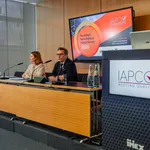
Matthew Burgess at IMEX